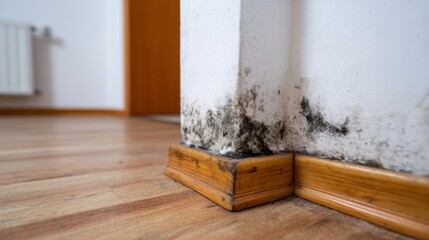
It rarely begins with a dramatic event. Sometimes it is just a faint smell in the air, a slight discoloration on a wall, or a floor that does not feel quite right underfoot. These small signs can quietly point to a much larger issue hidden beneath the surface.
Water has a way of spreading without notice, seeping into materials and creating damage that grows over time. Water Damage Remediation Salt Lake City is the process that uncovers these hidden problems and restores a property to a safe and stable condition.
Understanding Water Damage Remediation
Water damage remediation is a specialized process that focuses on identifying, containing, and resolving issues caused by water intrusion. While it is often confused with basic cleanup or repair, remediation goes deeper by addressing contamination and preventing further damage. It ensures that both visible and hidden effects of water exposure are properly treated.
This process involves removing moisture, cleaning affected areas, and restoring the environment to a safe state. It is especially important when water has been present for an extended period or when contamination is involved. The goal is not only to repair damage but also to eliminate risks that could affect health and structural integrity.
By taking a comprehensive approach, water damage remediation helps ensure that a property is fully restored and protected against future problems.
Common Causes of Water Damage
Water damage can occur in many ways, often without warning. Plumbing issues are among the most common causes, including leaking pipes and faulty fixtures. These problems can develop behind walls or under floors, making them difficult to detect early.
Appliance malfunctions can also lead to significant water exposure. When equipment that uses water fails, it can release large amounts of moisture into surrounding areas. Environmental factors such as heavy rainfall or poor drainage can introduce water into a structure as well.
Even everyday conditions like high humidity can contribute to gradual moisture buildup. Over time, this can lead to damage that requires remediation. Understanding these causes highlights the importance of regular maintenance and early detection.
Inspection and Damage Assessment
The first step in water damage remediation is a detailed inspection. This stage involves evaluating the extent of the damage and identifying all affected areas. Moisture detection tools are often used to locate water that is not visible to the naked eye.
During the assessment, the source of the water is identified and addressed to prevent further intrusion. The type of water involved is also evaluated, as this determines the level of cleaning and treatment required. Clean water presents fewer risks, while contaminated water requires more intensive remediation.
A thorough inspection ensures that no part of the problem is overlooked. It provides a clear understanding of the scope of work and helps guide the entire process.
Water Removal and Moisture Control
Once the assessment is complete, the next priority is removing standing water and controlling moisture levels. This step is essential for stopping the spread of damage and creating a stable environment for further work.
Water removal involves extracting moisture from all affected areas, including floors, walls, and furnishings. Even after visible water is gone, residual moisture can remain trapped within materials. Addressing this hidden moisture is a critical part of the process.
Moisture control helps prevent additional damage and reduces the risk of mold growth. It sets the stage for effective drying and treatment.
Drying and Dehumidification
After water removal, drying and dehumidification become the focus. This phase ensures that all remaining moisture is eliminated from the property. Proper drying is essential for preventing long term issues such as structural weakening and mold development.
Air circulation and humidity control are key elements of this stage. Moisture must be drawn out of materials and removed from the air to achieve a safe and stable environment. Monitoring is necessary to confirm that moisture levels have returned to acceptable ranges.
Drying requires patience and precision. Rushing this step can lead to incomplete results and recurring problems.
Cleaning, Sanitizing, and Contamination Removal
Water damage often introduces contaminants that must be carefully removed. Cleaning and sanitizing are essential steps in the remediation process, particularly when dealing with contaminated water. This stage involves treating surfaces and materials to eliminate bacteria, mold spores, and other harmful substances.
Odor removal is also addressed during this phase. Lingering smells can indicate hidden contamination or moisture that needs to be resolved. Proper cleaning improves indoor air quality and ensures a healthier environment.
In some cases, materials that are heavily affected may need to be removed and replaced. This prevents contamination from spreading and supports a more effective remediation process.
Repair and Restoration After Remediation
Once the remediation process is complete, the focus shifts to repairing and restoring the affected areas. This stage involves replacing damaged materials and returning the property to its original condition. The extent of repairs depends on the severity of the damage.
Restoration includes both structural and cosmetic work. It ensures that the property is safe, functional, and visually appealing. This final step completes the transition from damage to recovery.
By addressing all aspects of the damage, restoration provides a comprehensive solution that supports long term stability.
The Importance of Acting Quickly
Time plays a critical role in water damage remediation. The longer water remains in place, the more damage it can cause. Delays increase the risk of structural issues, contamination, and higher repair costs.
Acting quickly helps limit the spread of moisture and improves the effectiveness of each stage of the process. Early intervention makes water removal easier, speeds up drying, and reduces the likelihood of mold growth.
Recognizing the signs of water damage and responding promptly can make a significant difference in the outcome.
Preventing Future Water Damage
Prevention is an important part of maintaining a property after remediation is complete. Regular inspections of plumbing systems and appliances can help identify potential issues before they become serious problems. Ensuring proper drainage and sealing vulnerable areas also reduces the risk of water intrusion.
Managing indoor humidity levels and maintaining adequate ventilation are additional measures that can help prevent moisture related issues. These steps contribute to a stable environment and protect the property over time.
Taking a proactive approach helps preserve the results of remediation and reduces the likelihood of future damage.
Final Thoughts
Water damage remediation is a detailed and essential process that addresses the effects of water intrusion at every level. From inspection to restoration, each step plays a crucial role in ensuring that a property is safe and functional. By focusing on both visible and hidden damage, remediation provides a thorough solution to a complex problem.
Understanding how the process works allows property owners to respond with confidence when water damage occurs. Acting quickly, following each stage carefully, and implementing preventive measures all contribute to a successful outcome. In the end, remediation is about more than repairing damage. It is about creating a secure and healthy environment that can withstand future challenges.