From the frame of a building to the smallest structural component, metal plays an important role in countless products and structures we use every day. Yet raw metal rarely arrives ready to serve its final purpose. It needs to be measured, shaped, cut, joined, and finished before it can become a useful component. This is where metal fabrication transforms ordinary sheets, bars, tubes, and other metal materials into functional and carefully designed products. Understanding how Boise Metal Fabrication works can help property owners, builders, manufacturers, and businesses make better decisions when choosing fabricated metal components.
What Is Metal Fabrication?
Metal fabrication is the process of transforming raw metal into finished parts, structures, or products through various manufacturing techniques. Depending on the project, fabrication can involve cutting, bending, welding, drilling, forming, and finishing. Different metals can be fabricated according to their strength, thickness, flexibility, and intended application. The process may be used to create anything from simple brackets and frames to complex structural components. Because each project can have different requirements, fabrication methods are selected according to the desired dimensions, design, and performance.
The process generally begins with a design or set of specifications. Measurements and technical details help determine the amount and type of material required for the project. Fabricators then select appropriate tools and techniques to transform the raw material into the desired shape. Accuracy is important because even a small measurement error can affect how components fit together. Careful planning can reduce material waste and help ensure that the finished product meets the required specifications.
Metal fabrication is used across many industries because fabricated metal can provide strength, durability, and versatility. It can be customized to fit unusual dimensions or specific structural requirements. Fabricated components can also be designed with particular finishes or shapes to achieve a desired appearance. This flexibility makes metal fabrication useful for both practical and decorative applications. Whether the goal is to create a strong structural component or an attractive architectural feature, fabrication provides many possibilities.
What Are the Main Processes Used in Metal Fabrication?
Cutting is one of the fundamental processes involved in metal fabrication. It involves separating metal into specific sizes and shapes based on the project requirements. Different cutting methods can be used depending on the type and thickness of the material. Some projects may require highly precise cuts, while others may involve larger structural pieces. Accurate cutting creates a strong foundation for the next stages of fabrication because properly sized components are easier to assemble.
Bending and forming are also commonly used to create specific shapes from metal. These processes can transform flat sheets or straight sections into angles, curves, channels, and other forms. The correct technique depends on the material’s thickness, strength, and desired shape. Careful control is necessary to avoid cracking, distortion, or unwanted deformation. When performed correctly, bending allows fabricated components to meet precise design requirements while maintaining their structural integrity.
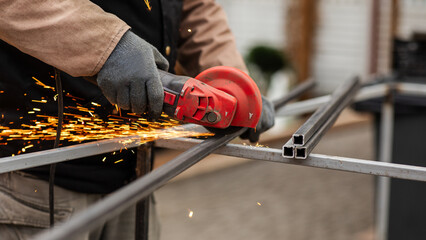
Welding is another important part of metal fabrication because it joins separate pieces into a single structure. Different welding techniques can be selected depending on the metal, application, and required strength. A properly executed weld can create a durable connection capable of handling significant stress. Fabricators may also use drilling, punching, grinding, and other processes to prepare components for assembly. These techniques often work together to transform individual metal pieces into a complete and functional product.
Why Is Metal Fabrication Important for Construction and Manufacturing?
Metal fabrication is important because it allows raw materials to be transformed into components that meet specific project requirements. Standard products may not always have the dimensions or characteristics needed for a particular application. Custom fabrication can solve this problem by producing components based on exact measurements. This can be especially useful when working with unusual spaces, complex structures, or specialized equipment. Fabrication provides greater flexibility than relying exclusively on pre-manufactured components.
Durability is another reason fabricated metal is widely used. Many metals can withstand significant pressure, impact, temperature changes, and regular use when properly selected and fabricated. This makes them suitable for structural and industrial applications where reliability is important. Proper fabrication also ensures that individual components are joined and finished appropriately for their intended purpose. When quality materials are combined with accurate workmanship, the resulting structure can provide dependable performance for many years.
Metal fabrication can also improve efficiency during construction and manufacturing. Components can be prepared according to project specifications before they reach the installation stage. This can reduce the amount of cutting, drilling, or modification required during assembly. Better preparation may help projects stay organized and reduce unnecessary delays. In manufacturing environments, repeatable fabrication processes can also help maintain consistency across multiple components.
What Metals Can Be Used for Fabrication?
Steel is one of the most commonly fabricated metals because of its strength and versatility. It can be used for structural frames, supports, brackets, machinery components, and many other applications. Different forms of steel can provide varying levels of strength, hardness, and corrosion resistance. Its availability and adaptability make it suitable for a wide range of fabrication projects. The appropriate type should be selected according to the project’s environmental and structural requirements.
Stainless steel is another popular choice when corrosion resistance and appearance are important. Its smooth surface can provide a clean and modern appearance while offering strong resistance to rust and staining. This makes it useful in applications where both performance and visual quality matter. Aluminum is also widely used because it is lightweight and naturally resistant to corrosion. Its relatively low weight can make it useful when reducing the overall weight of a structure or component is important.
Other metals can also be selected depending on the specific application. Copper, brass, and specialized alloys may be appropriate when particular electrical, thermal, aesthetic, or mechanical properties are required. Each material responds differently to cutting, bending, welding, and finishing processes. Choosing the right material therefore requires consideration of the final use rather than appearance alone. Factors such as strength, weight, corrosion resistance, maintenance, and cost should all be evaluated before fabrication begins.
How Does Custom Metal Fabrication Benefit a Project?
Custom metal fabrication allows components to be created according to specific measurements and design requirements. This can be particularly valuable when standard components do not fit properly or provide the required functionality. A custom approach allows dimensions, shapes, connection points, and finishes to be adjusted for the application. This can help create a more precise final result. Custom fabrication also provides greater freedom when developing unique structural or architectural designs.
Another advantage is the ability to combine function with appearance. Fabricated metal does not have to look purely industrial or utilitarian. Surface finishes, smooth edges, decorative patterns, and carefully designed shapes can improve the visual appeal of a finished component. This is especially useful for architectural applications where metal must complement the surrounding design. A well-fabricated piece can provide structural support while also contributing to the overall appearance of a space.
Customization can also help address project-specific challenges. Existing structures may have irregular dimensions or obstacles that make standard components difficult to install. Fabricators can account for these conditions when developing a custom solution. This may reduce the need for modifications during installation and help components fit more accurately. When design, fabrication, and installation requirements are considered together, custom metalwork can provide a practical and efficient solution.
What Should You Consider When Choosing Metal Fabrication Services?
Experience and technical capability are important considerations when selecting a metal fabrication service. A capable fabricator should understand how different metals behave during cutting, bending, welding, and finishing. They should also be able to interpret measurements, drawings, and project specifications accurately. Attention to detail is essential because fabrication errors can affect both appearance and performance. Reviewing previous work can provide useful insight into the quality and capabilities of a fabricator.
Material quality should also receive careful attention. The selected metal should be appropriate for the environment and intended application. Projects exposed to moisture or harsh conditions may require materials or finishes that provide greater corrosion resistance. Structural applications may require materials with specific strength characteristics. Discussing these requirements before fabrication begins can help ensure that the selected material is suitable for long-term use.
Communication is another important part of a successful fabrication project. Clear information about measurements, design preferences, deadlines, materials, and finishing requirements can help prevent misunderstandings. Fabricators should be able to explain the available options and identify potential issues before production begins. Good communication can also make it easier to adjust a design when necessary. A well-organized fabrication process should keep the project requirements clear from the initial design through final installation.
How Can Quality Metal Fabrication Improve Long-Term Performance?
Quality fabrication begins with accurate measurements and careful preparation. Properly cut and formed components are more likely to fit together correctly and perform as intended. Welding and other joining methods must also be performed with attention to strength and consistency. Poor workmanship can result in weak connections, uneven surfaces, or premature damage. Quality control throughout the fabrication process helps reduce these risks.
Finishing is another factor that can influence long-term performance. Grinding can remove sharp edges and improve the appearance of welded areas. Protective coatings and suitable finishes can help reduce corrosion and surface deterioration. The appropriate finish depends on the material and the conditions in which the finished product will be used. Proper finishing can therefore provide both aesthetic and functional benefits.
Regular maintenance can further extend the life of fabricated metal components. Inspection can help identify corrosion, damaged finishes, loose connections, or other issues before they become serious. Cleaning methods should be appropriate for the specific material and finish. Repairs should be addressed promptly when damage is discovered. With proper fabrication, finishing, and maintenance, metal components can remain reliable and attractive for a long time.
Final Thought
Metal fabrication is a versatile process that turns raw metal into useful, durable, and customized components. From cutting and bending to welding and finishing, each stage contributes to the quality of the final product. The right material and fabrication techniques can improve strength, appearance, functionality, and long-term performance. Custom fabrication also provides flexibility when standard products cannot meet specific dimensions or design requirements. By understanding the fabrication process and carefully considering materials, workmanship, finishing, and maintenance, project owners can make informed choices that support reliable and lasting results.