
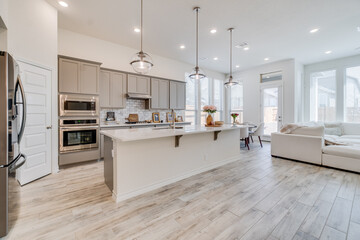
Imagine preparing a meal in a kitchen where every inch works for you. Cabinets open smoothly, countertops stay clutter-free, and storage seems to appear exactly where you need it. For many homeowners with compact kitchens, this may feel like a dream. However, a small kitchen does not have to feel cramped or limiting. With thoughtful remodeling choices, even the smallest cooking space can become functional, stylish, and welcoming.
The key to a successful small Kitchen Remodeling Lexington KY is making strategic design decisions that maximize space without sacrificing comfort or appearance. Whether you are planning a complete renovation or looking for simple ways to improve efficiency, there are countless ideas that can transform a compact kitchen into one of the most enjoyable rooms in the home.
Focus on an Open and Efficient Layout
One of the most important aspects of remodeling a small kitchen is improving the layout. A well-designed floor plan can make a compact area feel significantly larger and more functional.
Many older kitchens suffer from inefficient arrangements that create unnecessary obstacles during meal preparation. Relocating appliances, adjusting cabinet placement, or redesigning work zones can improve movement throughout the space.
An open layout often helps create the illusion of a larger room. Removing nonstructural barriers between the kitchen and adjacent living areas can increase natural light and make the space feel less confined. Even small modifications that improve visibility can have a noticeable impact on the overall atmosphere.
The goal is to create a layout that allows cooking, cleaning, and food preparation tasks to flow naturally while maximizing available square footage.
Maximize Vertical Storage Space
When floor space is limited, vertical storage becomes extremely valuable. Many small kitchens have unused wall space that can be transformed into practical storage solutions.
Extending cabinets all the way to the ceiling is one of the most effective ways to increase storage capacity. Upper cabinets provide room for seasonal items, specialty cookware, and other belongings that are not used every day.
Open shelving can also help create a more spacious appearance while providing easy access to frequently used items. Carefully organized shelves can display dishes, glassware, and decorative elements without overwhelming the room.
Wall mounted storage systems, hanging racks, and built in organizers further improve functionality by keeping essential items within reach while reducing countertop clutter.
Taking advantage of vertical space allows homeowners to gain valuable storage without expanding the kitchen’s footprint.
Choose Light Colors and Reflective Surfaces
Color plays a major role in how large or small a room feels. Light colors tend to reflect more light, creating a brighter and more open environment.
White, soft gray, cream, and other neutral shades are popular choices for small kitchens because they help visually expand the space. Light colored cabinetry, walls, and countertops can make the room appear larger than its actual dimensions.
Reflective materials further enhance this effect. Glossy finishes, polished surfaces, and glass elements help bounce light throughout the room, increasing brightness and creating a sense of openness.
Natural light should also be maximized whenever possible. Keeping window areas unobstructed allows sunlight to illuminate the kitchen and contributes to a more inviting atmosphere.
The combination of light colors and reflective surfaces creates a clean, airy appearance that helps small kitchens feel more spacious.
Incorporate Smart Storage Solutions
Storage is often one of the biggest challenges in a compact kitchen. Traditional cabinets may not fully utilize available space, leaving valuable storage potential untapped.
Modern remodeling projects frequently incorporate smart storage solutions designed specifically for smaller areas. Deep drawers can improve accessibility and make it easier to organize cookware and utensils. Pull out shelves provide better access to items stored at the back of cabinets.
Corner storage systems help eliminate wasted space in hard to reach areas. Built in organizers for spices, baking supplies, and pantry items can further improve efficiency and reduce clutter.
Custom storage solutions tailored to the homeowner’s specific needs often provide the greatest benefits. By carefully planning where items will be stored, homeowners can create a kitchen that feels larger and functions more effectively.
A well organized kitchen not only looks better but also makes daily tasks more enjoyable.
Select Space Saving Appliances
Appliances occupy a significant portion of kitchen space, making their selection especially important during a remodel.
Compact appliances designed for smaller kitchens can help free up valuable room while still providing excellent performance. Slim refrigerators, narrower dishwashers, and combination cooking appliances offer functionality without dominating the space.
Built in appliances are another popular choice because they create a streamlined appearance and reduce visual clutter. Integrating appliances into cabinetry can make the kitchen feel more cohesive and spacious.
Energy efficient models often provide additional benefits, including lower utility costs and improved performance. Homeowners should carefully evaluate their cooking habits and lifestyle needs when selecting appliances to ensure they maximize both space and convenience.
Choosing the right appliances can significantly improve the overall functionality of a small kitchen.
Create Multi Functional Work Areas
Every square foot matters in a compact kitchen, which is why multi functional design elements are so valuable.
Countertops can serve multiple purposes beyond food preparation. A well designed surface may function as a cooking area, dining space, workspace, and gathering spot for family members.
Small islands or peninsula designs can provide additional storage and seating while creating extra preparation space. Foldable or extendable surfaces offer flexibility when additional workspace is needed without permanently occupying valuable floor area.
Built in features that perform multiple functions help maximize efficiency and reduce the need for additional furniture or fixtures.
The more versatile each element becomes, the more useful the entire kitchen feels.
Improve Lighting for a Bigger Feel
Lighting has a powerful influence on how spacious a room appears. Poor lighting can make even a well designed kitchen feel cramped and uninviting.
Layered lighting creates depth and improves functionality. Combining overhead fixtures with task lighting and accent lighting helps illuminate every area of the kitchen.
Under cabinet lighting is particularly beneficial in small kitchens because it brightens work surfaces and reduces shadows. Well lit countertops make food preparation easier while contributing to a more open appearance.
Pendant lights, recessed lighting, and strategically placed fixtures can further enhance the room’s visual appeal without consuming valuable space.
Proper lighting not only improves functionality but also creates a warm and welcoming environment that feels larger than its actual dimensions.
Reduce Visual Clutter Through Simplified Design
Small kitchens benefit greatly from a clean and streamlined aesthetic. Excessive decorative elements, oversized hardware, and busy patterns can make the room feel crowded.
A simplified design approach emphasizes clean lines, consistent finishes, and thoughtful organization. Cabinet styles with minimal detailing often create a more modern and spacious appearance.
Concealed storage helps keep everyday items out of sight, reducing visual distractions and maintaining a tidy environment. Limiting the number of colors and materials used throughout the space also contributes to a more cohesive design.
By reducing visual clutter, homeowners can create a kitchen that feels calm, organized, and significantly more spacious.
Invest in Durable and Functional Materials
While aesthetics are important, durability should not be overlooked during a kitchen remodel. Small kitchens experience heavy daily use, making material selection especially important.
Countertops, flooring, and cabinetry should be chosen with both appearance and longevity in mind. Durable materials help maintain the kitchen’s beauty while reducing maintenance requirements over time.
Easy to clean surfaces are particularly valuable in compact spaces where spills and messes can become more noticeable. Selecting materials that balance style, performance, and durability ensures that the remodeled kitchen continues to function effectively for years to come.
Thoughtful material choices contribute to both the practicality and long term value of the renovation.
Final Thoughts
A small kitchen does not have to limit creativity, functionality, or style. With the right remodeling strategies, compact spaces can become highly efficient environments that support daily routines while enhancing the overall appearance of the home.
By focusing on smart layouts, vertical storage, light colors, space saving appliances, improved lighting, and multi functional design elements, homeowners can maximize every available inch. Successful kitchen remodeling is not about the size of the room but how effectively the space is used.
When careful planning meets thoughtful design, even the smallest kitchen can become a beautiful, comfortable, and highly functional centerpiece of the home.